TRAIN TIMES
Travelling from St. Pancras International? Check your train times and let your journey begin!
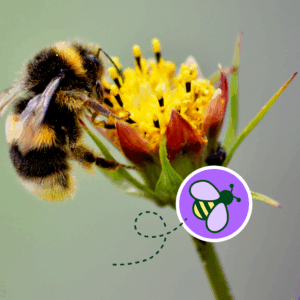
Bees are some of the most important species on the planet. As pollinators, they play a vital role in supporting ecosystems, agriculture, and the food we eat every day. Yet bee populations are under pressure from habitat loss, climate change, and declining floral diversity. We’re shining a light on the importance of bees and bee diversity; why it matters, how we’re helping and what we can all do to protect these pollinators.
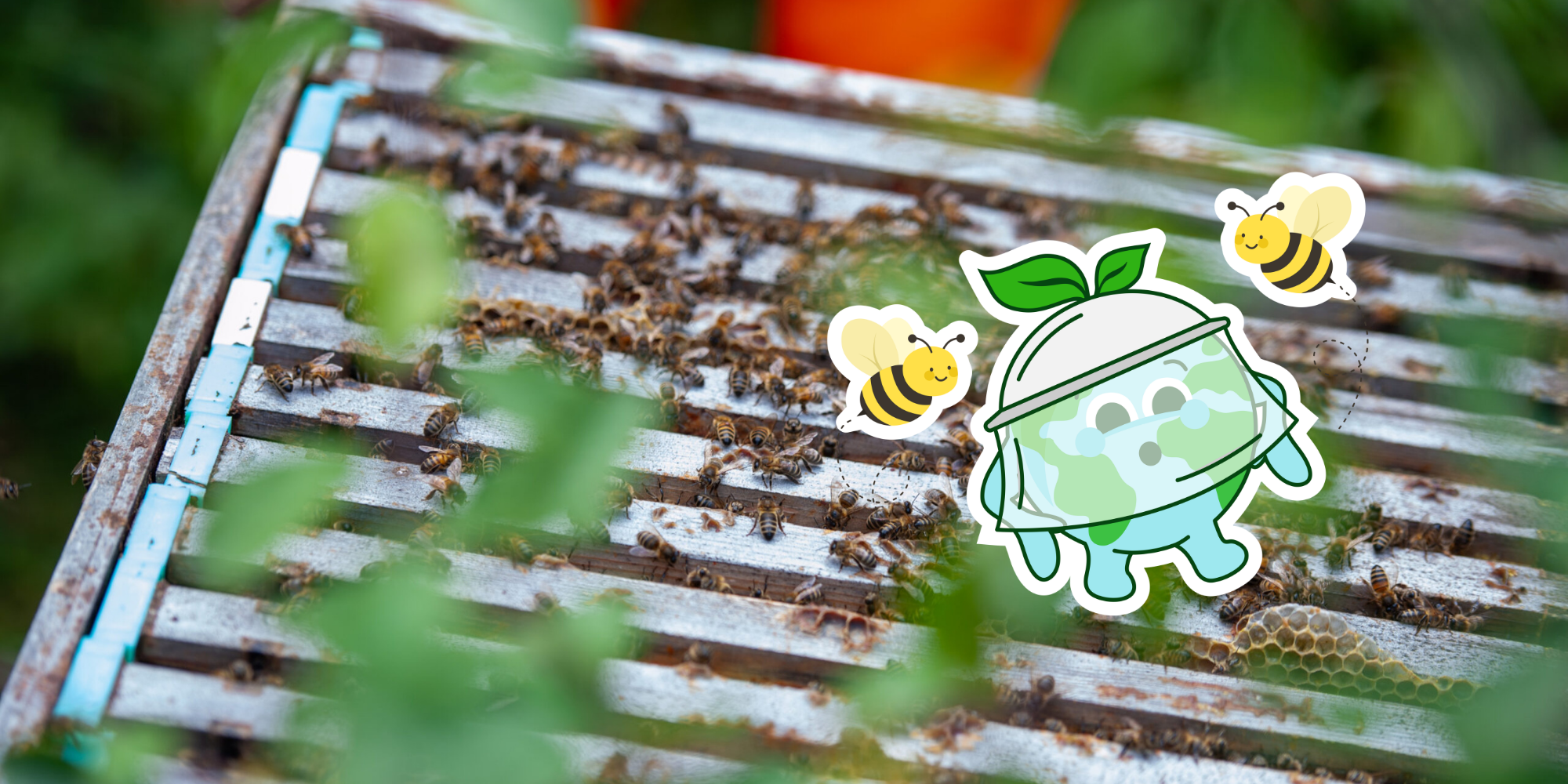
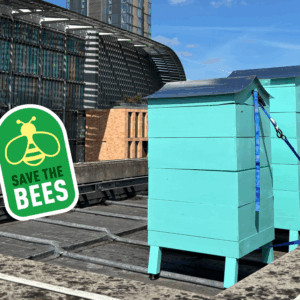
We’re helping to create spaces where bees can thrive. Along our high-speed rail route, we support around 25 community beehives by providing space for local beekeepers to care for their colonies.
At St. Pancras International, our rooftop hives provide an important urban habitat for pollinators, demonstrating how cities can support biodiversity. The bees from these hives also produce the honey supplied to Fortnum & Mason.
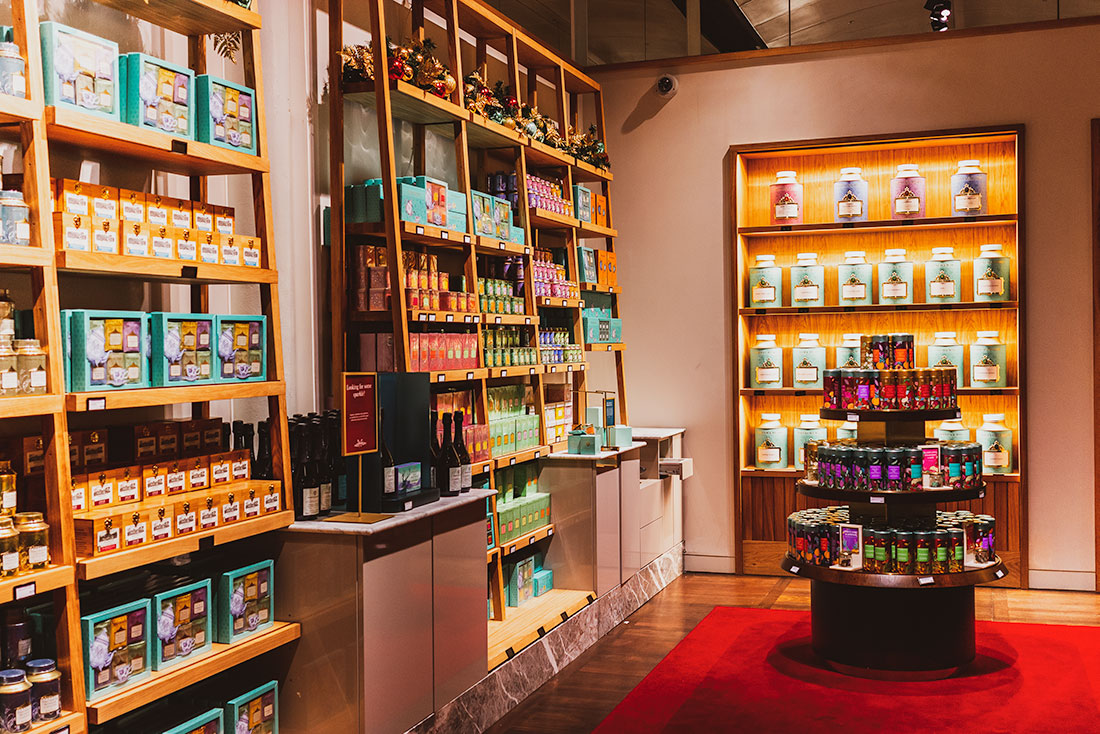
This summer, we’ve partnered with Fortnum & Mason to bring a giant interactive beehive installation to the heart of St. Pancras International. The immersive experience celebrates 100 years of Disney Winnie the Pooh while shining a light on the importance of bees, pollination and biodiversity.
Visitors are invited to step inside the hive to explore the fascinating world of bees and the 100 Aker Wood through storytelling and interactive displays.
Protecting bees doesn’t have to mean making big changes. Whether you have a garden, a balcony or simply want to make more sustainable choices, there are plenty of ways to support pollinators and help create healthier habitats for them to thrive.
Choose a variety of flowers that bloom throughout the seasons to provide bees with a continuous source of nectar and pollen. Native wildflowers, lavender, foxgloves and herbs such as rosemary and thyme are all excellent choices for supporting pollinators.
Leaving a small patch of your garden to grow naturally, planting wildflowers or installing a bee hotel can provide valuable habitats for bees and other insects. Even window boxes and planters can become important feeding stops in urban areas.
Many pesticides can be harmful to bees and other pollinators. Where possible, choose natural alternatives and encourage healthy ecosystems by allowing beneficial insects to thrive alongside your plants.
Buying local honey, supporting beekeepers and taking part in community conservation projects all help protect bee populations. You can also get involved by supporting organisations working to restore habitats and improve biodiversity across the UK.
*References. The Bee Cause | Friends of Earth. The Wildlife Trusts. WWF. National Trust