FROM TRACKS TO TASTINGS
Discover the vineyards of Kent, just a short high-speed journey from St. Pancras International. Take the train to Ebbsfleet to explore Silverhand Estate,
Discover the vineyards of Kent, just a short high-speed journey from St. Pancras International. Take the train to Ebbsfleet to explore Silverhand Estate,
St. Pancras International has always been more than just a travel hub; it’s a place where people come together, share experiences, and create memories. The addition of our public pianos enhances this sense of community, providing a space for music lovers to express themselves and connect with others.
Explore St. Pancras with our interactive map. From bars and restaurants, to train platforms and shops, you can find and navigate places to eat, drink and shop on both levels of the station.
Enjoy convenient and secure car parking at St. Pancras International, Ebbsfleet International, Stratford International, and Ashford International.
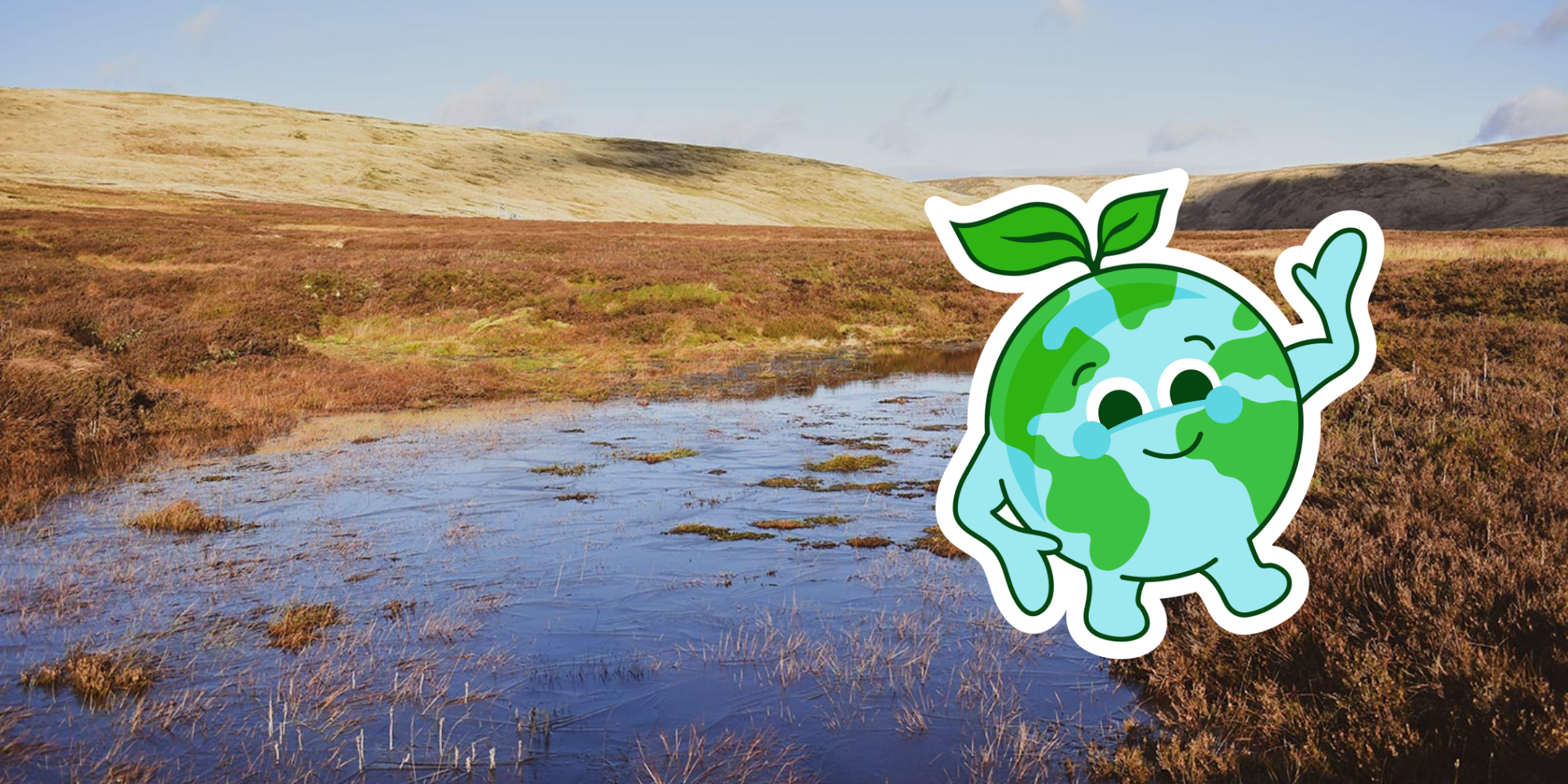
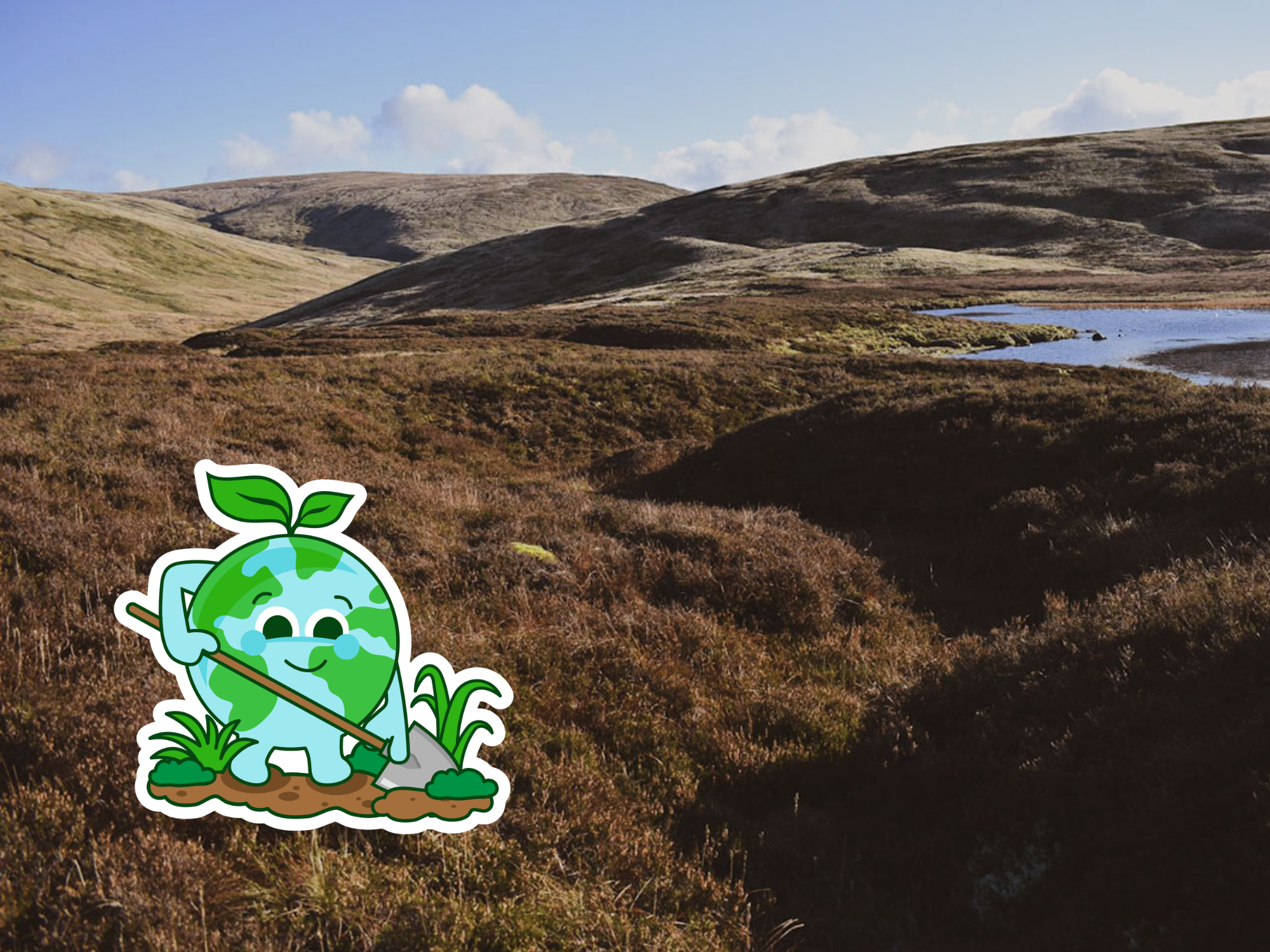
Peatlands are one of the UK’s most important natural environments, quietly storing carbon, supporting biodiversity and helping regulate water across entire landscapes. Yet despite their importance, atleast 80% of peatlands across the UK have been damaged or degraded.
At London St. Pancras Highspeed, protecting and restoring peatlands forms part of our wider sustainability ambitions. Through our peatland restoration initiatives and creative projects such as The Composer’s Cabin, we’re raising awareness of these remarkable landscapes and the important role they play in building a lower carbon future.
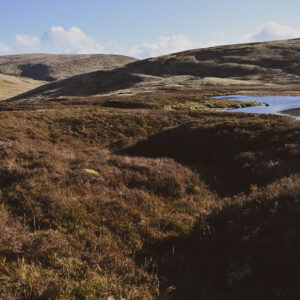
Protecting and restoring peatlands forms part of London St. Pancras Highspeed’s wider sustainability strategy and commitment to supporting lower carbon infrastructure and biodiversity initiatives.
Our work has included:
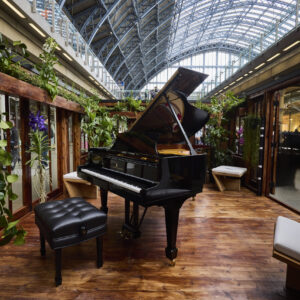
Following its Silver Medal success at RHS Chelsea Flower Show 2026, The Composer’s Cabin arrived at St. Pancras International. Designed by Martha Krempel and Malvern Garden Buildings and inspired by the beauty and importance of UK peatland landscapes, the installation combined peatland-inspired interactive planting, a bog soundscape, and a self-playing Steinway & Sons grand piano.
The adapted installation invited visitors to experience the sights, sounds and stories of Britain’s peatlands while highlighting the vital role they play in supporting biodiversity and climate control.
Protecting peatlands is not only the responsibility of governments and organisations – small, everyday actions can also make a difference.
One of the simplest ways to help is by choosing peat-free compost for gardening and houseplants.
When shopping for compost, check labels carefully, look specifically for “peat-free” wording, and choose sustainably sourced gardening products where possible
You can also support organisations working to restore damaged peatlands by volunteering your time, visiting peatland landscapes responsibly, supporting conservation initiatives, and donating if you can.
Many people are still unaware of how important peatlands are for climate and biodiversity. Sharing information about peat-free gardening, peatland restoration, and sustainable landscapes and biodiversity, can help encourage wider positive change.
Understanding how peatlands work, and why they matter, is an important step towards protecting them for future generations. Useful resources to learn more include IUCN UK Peatland Programme, Royal Horticultural Society Peat Advice, and RHS Guide to Peat-Free Compost.