A Royal Rail Connection
The invention of the railways in the 19th century transformed Britain, connecting the country in ways that hadn’t been possible before. Steam locomotives travelled the country moving people with speed and relative ease.
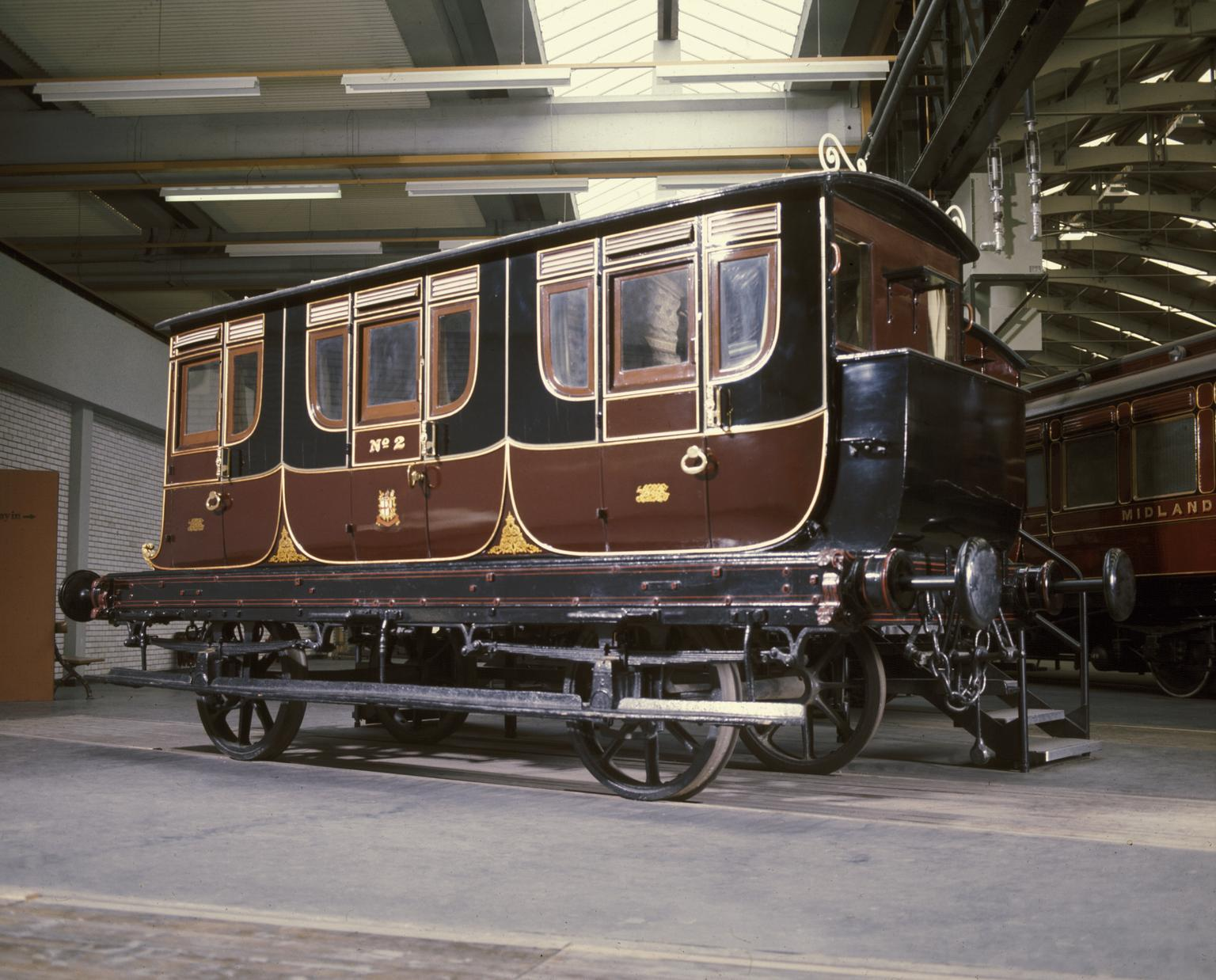
The Royal family were no exception and embraced this new form of travel, albeit in a more luxurious style than the general public. Queen Adelaide was the first member of the royal family to travel by rail in 1840 and had a carriage made for her in 1842 which is now on display at the National Railway Museum, York.
![sspl-queen-adelaide-carriage.png]()
Queen Adelaide’s saloon built in 1842 by the London and Birmingham Railway Science Museum Group Collection
© The Board of Trustees of the Science Museum.
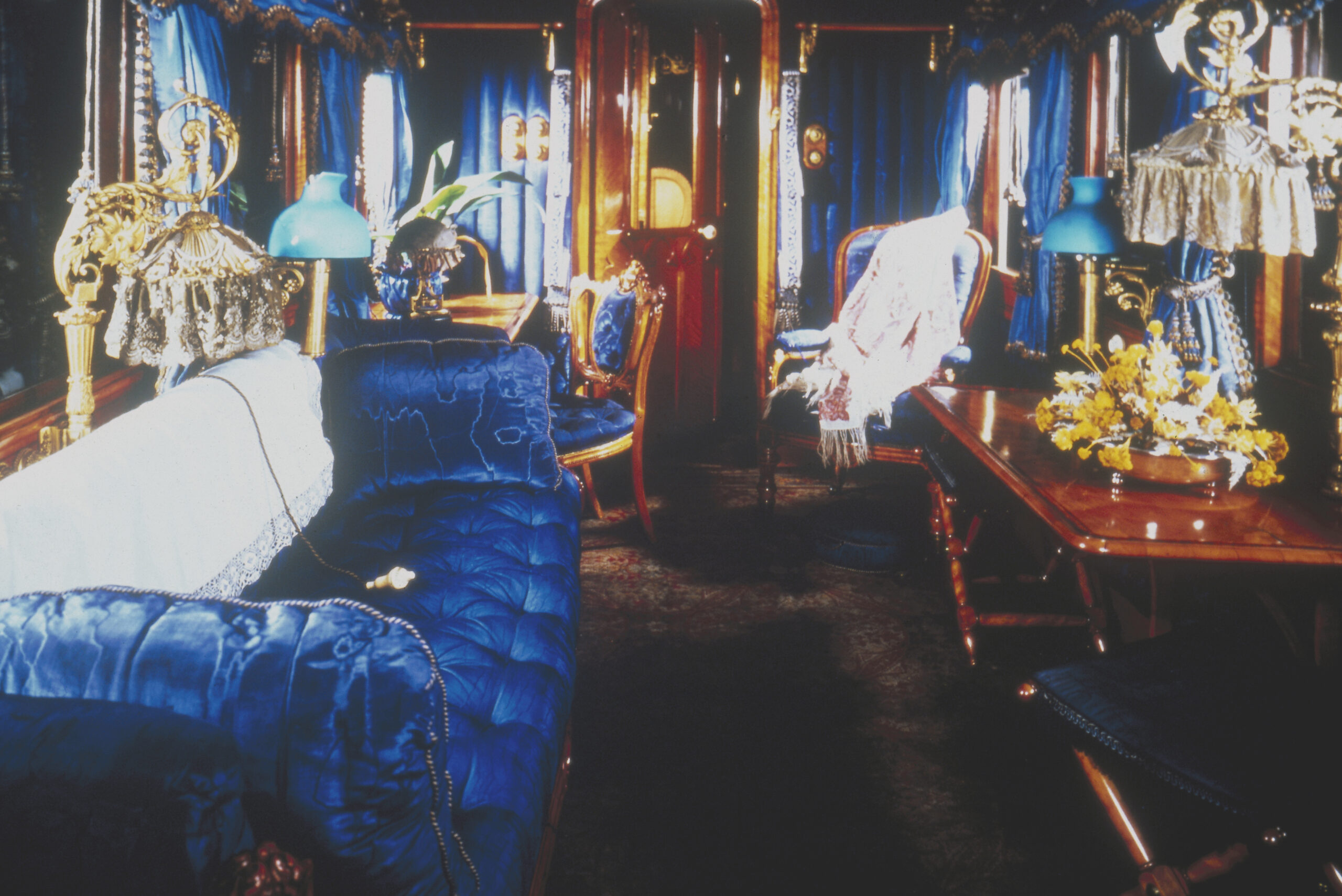
Queen Victoria was the first monarch to travel by train which she did in 1842 travelling from Slough to Paddington in a lavishly styled royal saloon carriage which featured exquisite craftsmanship and technological innovation.
![sspl_10307057_highres.jpg]()
Interior of Queen Victoria’s day compartment. Built 1895. Walls and ceiling quilted in blue and white silk. © SSPL National Railway Museum 10307057
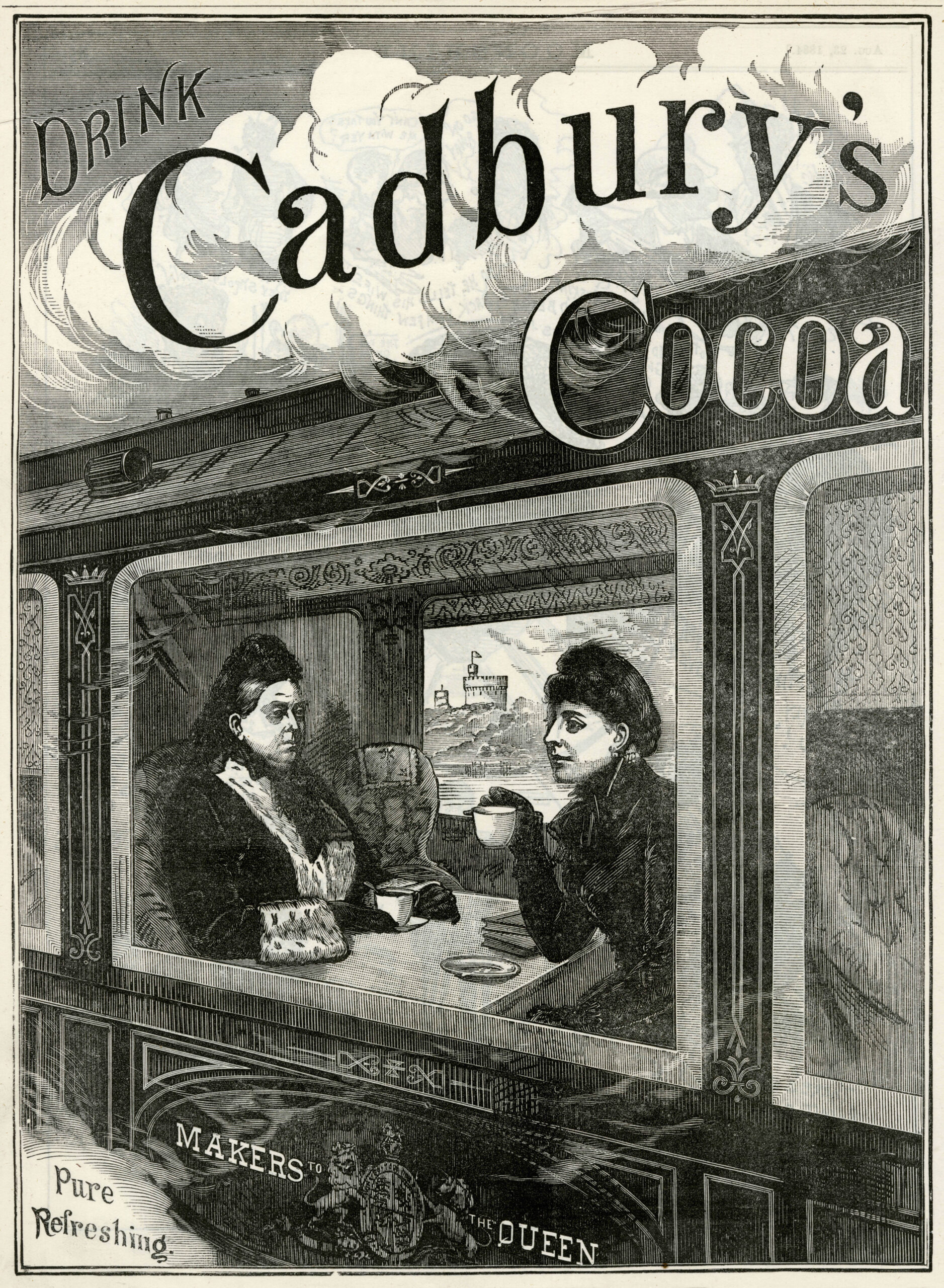
Although a regular user of the railways, Queen Victoria did not exploit the full possibilities of train travel – there was no dining car on Victorian royal carriages for example, although that didn’t prevent some opportunistic advertising. In this instance it was probably justified as Cadbury’s received a Royal Warrant to become manufacturers of cocoa and chocolate to Queen Victoria in 1854.
![10029660.jpg]()
1884 Advert showing Queen Victoria and her daughter enjoying a cup of Cadburys cocao as the royal train moves away from Windsor
© Mary Evans Picture Library
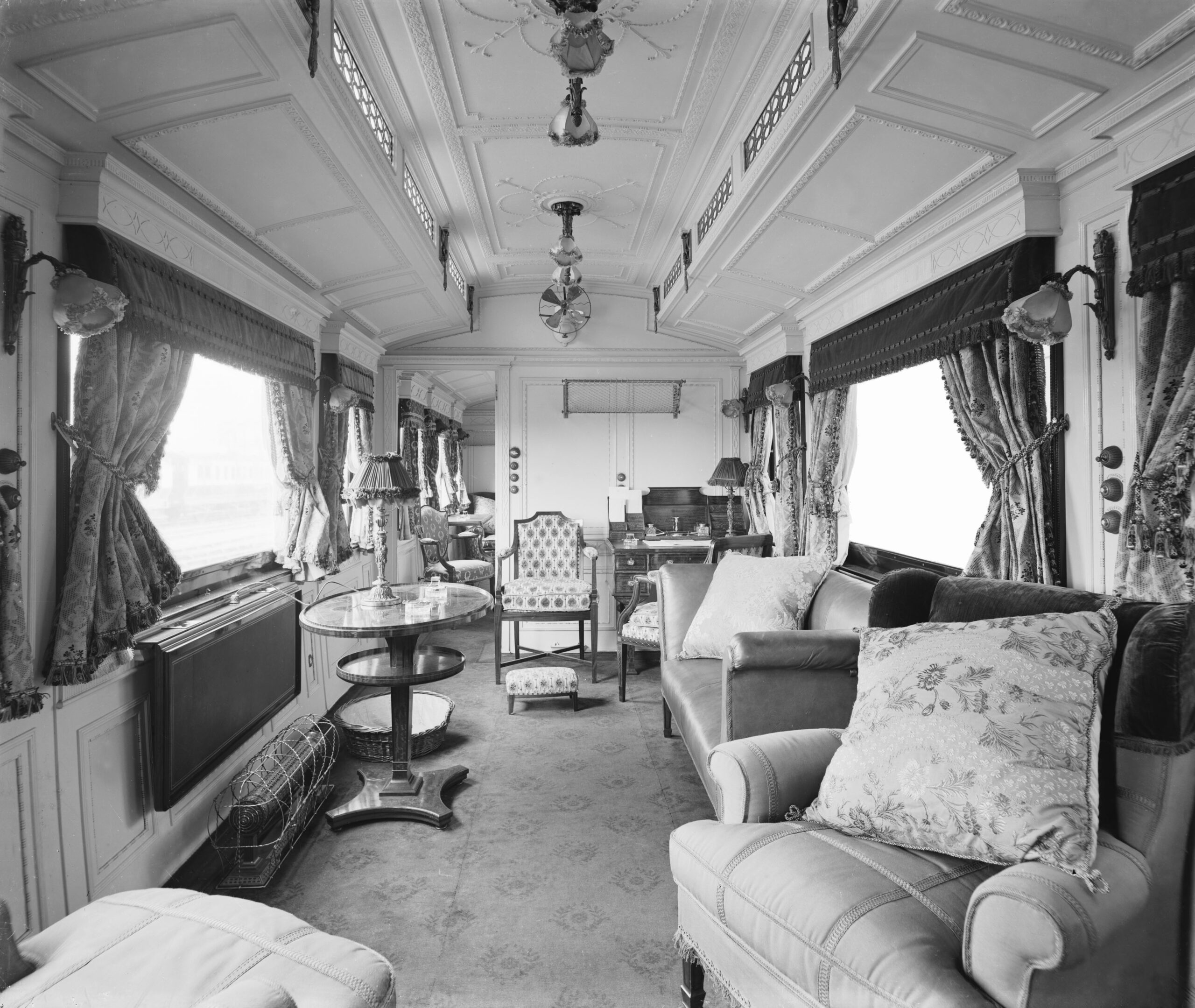
It was not until the turn of the 20th century when Edward VII commissioned what became a palace on wheels that technological innovation was fully integrated within the royal train, including telephones, electric lighting, baths and cooking facilities enabling their use as a base of operations.
![sspl_10445074_highres.jpg]()
Carriage of the royal train commissioned by Edward VII in 1902
© National Railway Museum /SSPL
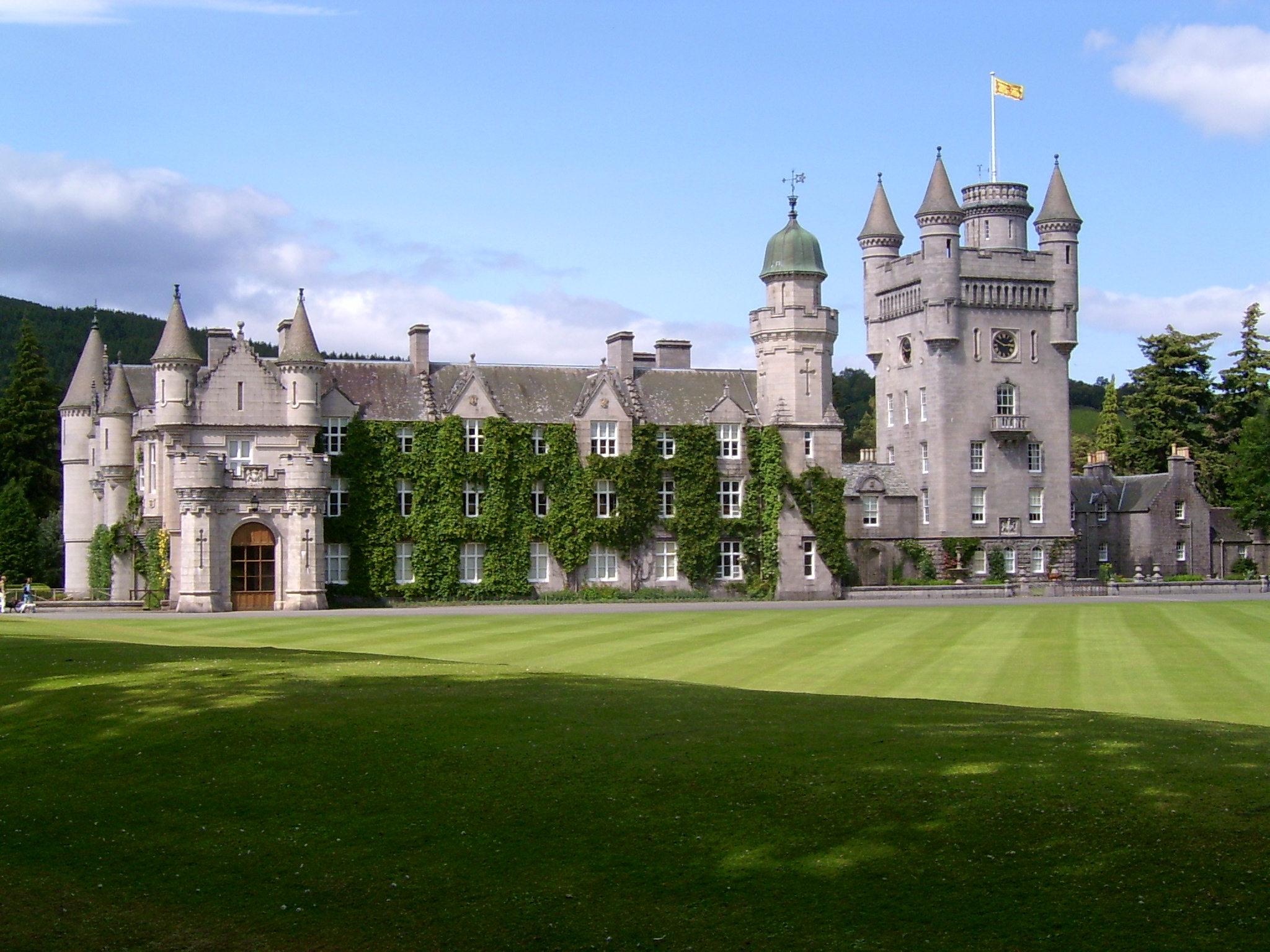
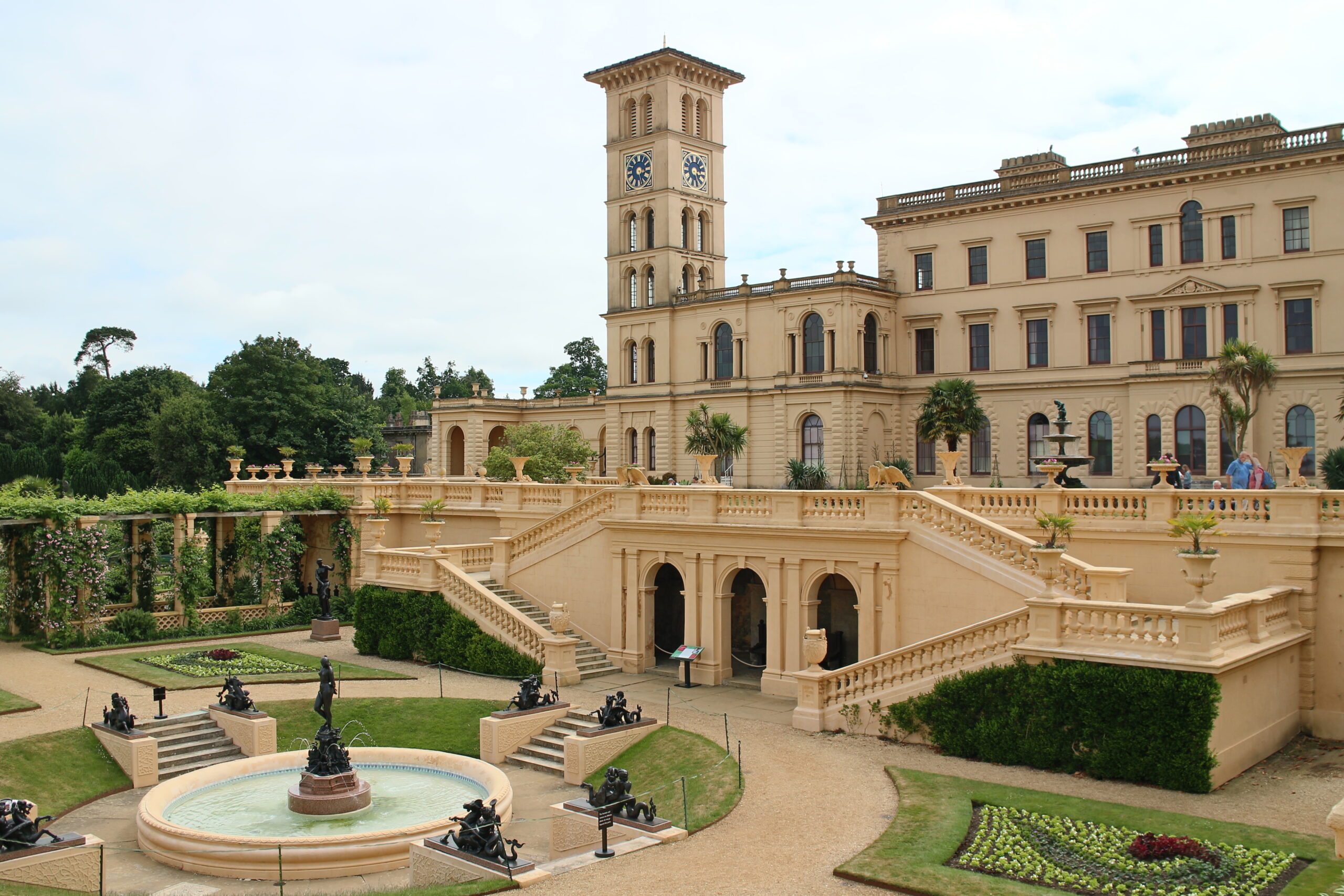
Without the rail network royal residences, still much-loved today, such as Balmoral, Sandringham and Osborne House would not have been purchased and built.
![balmoral_castle-1.jpg]()
Balmoral Castle, Scotland
[http://flickr.com/photos/stuartyeates/45919678/] {{cc-by-sa-2.0}}
![osborne_house_20180619-1.jpg]()
Osborne House, Isle of Wight
https://commons.wikimedia.org/wiki/User:Suicasmo/GB_%26_Ireland
This file is licensed under the Creative Commons Attribution-Share Alike 4.0 International license
At the outset royal rail travel was undertaken in specially commissioned carriages. It was not until 1897 that the first Royal train was commissioned and provided by the Great Western Railway. Following this there were royal trains located around the country for use as required, however dedicated locomotives were not traditionally part of the Royal train and first appeared in the 1990s.
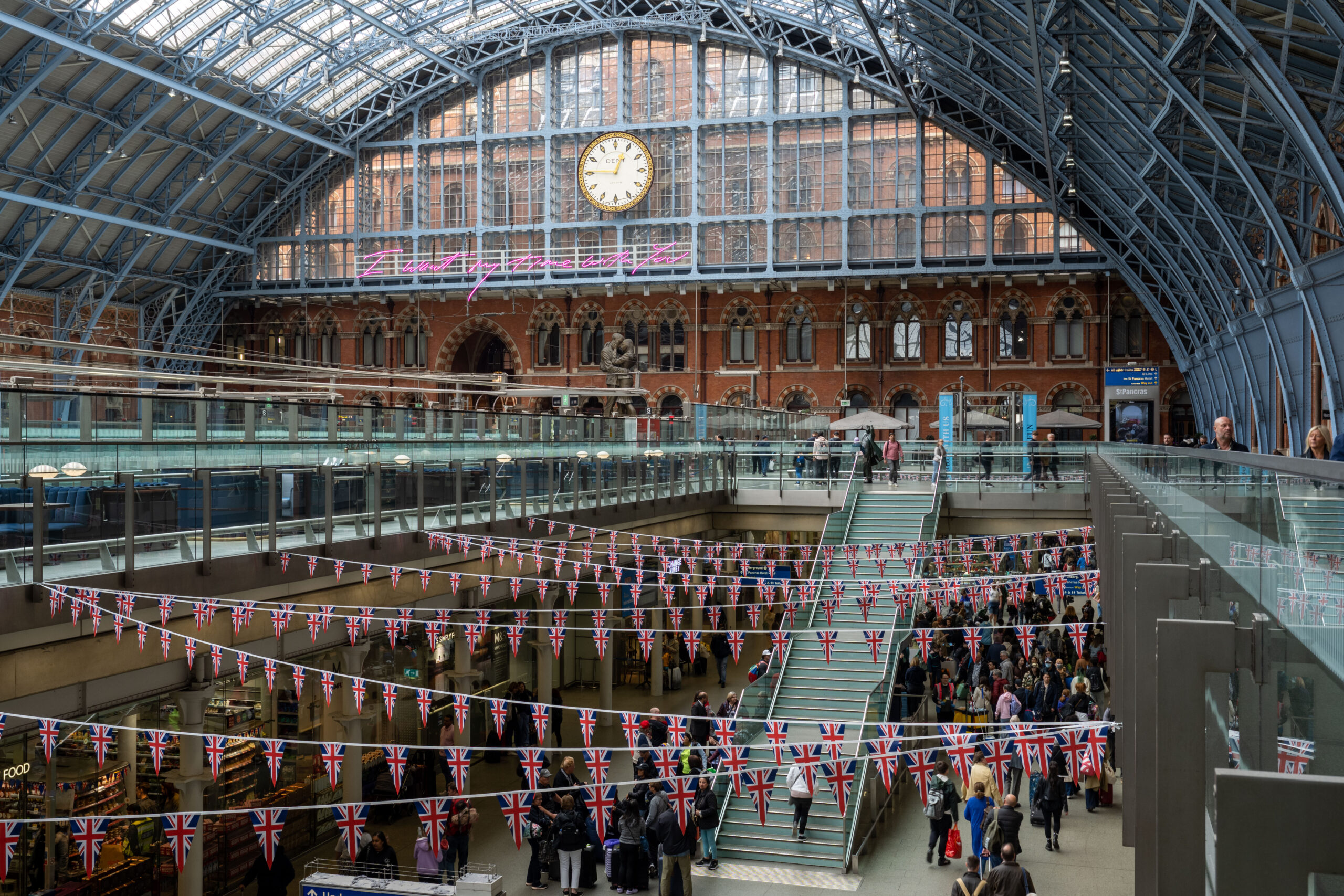
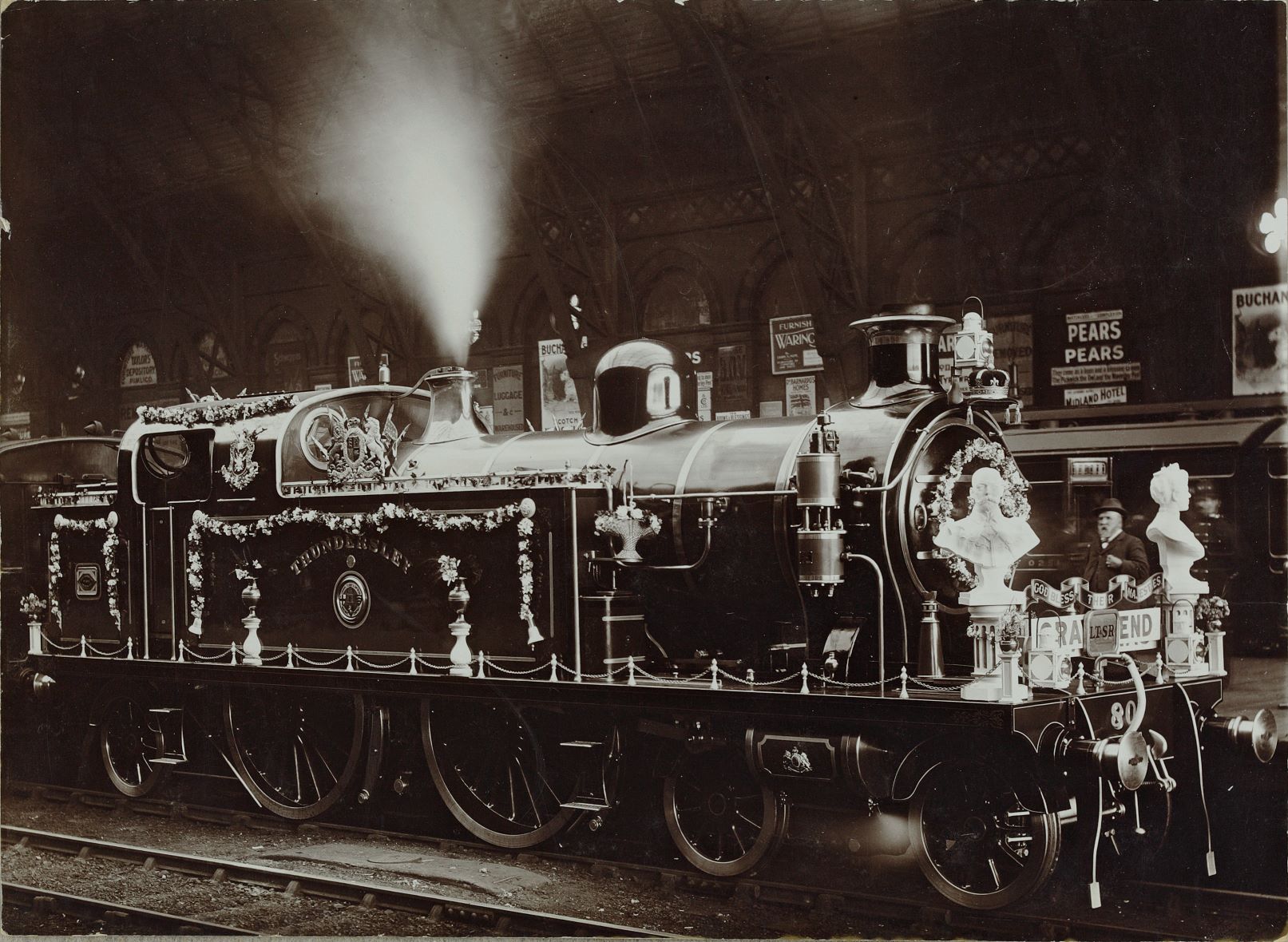
There was however a tradition of decorating locomotives to celebrate royal occasions such as the coronation of George V
![geo-v-coronation.jpg]()
June 1911 LT&S Class 79 Locomotive ‘Thunderseley’ (no.80) standing at St Pancras – it was decorated for the coronation of King George V and Queen Mary.
During World War I the royal train was used extensively by King George V and Queen Mary, as it was a good way to travel the country to meet the population and boost morale.
The Royal train was popular with Queen Elizabeth II and used extensively as the train enabled members of the Royal Family to carry out busy schedules over an extended period, in a secure environment that minimised disruption and inconvenience to the public and provided accommodation and office facilities.
King Charles III grew up with journeys on the Royal train travelling back from stays at Balmoral or meeting with his parents for holidays with friends. He has continued to support rail as part of sustainable travel.
![10554870.jpg]()
Prince Charles and Princess Anne waving from the train as it leaves Ballater station , Scotland after their holiday at Balmoral Castle
© Illustrated London News / Mary Evans
![2gc412y.jpg]()
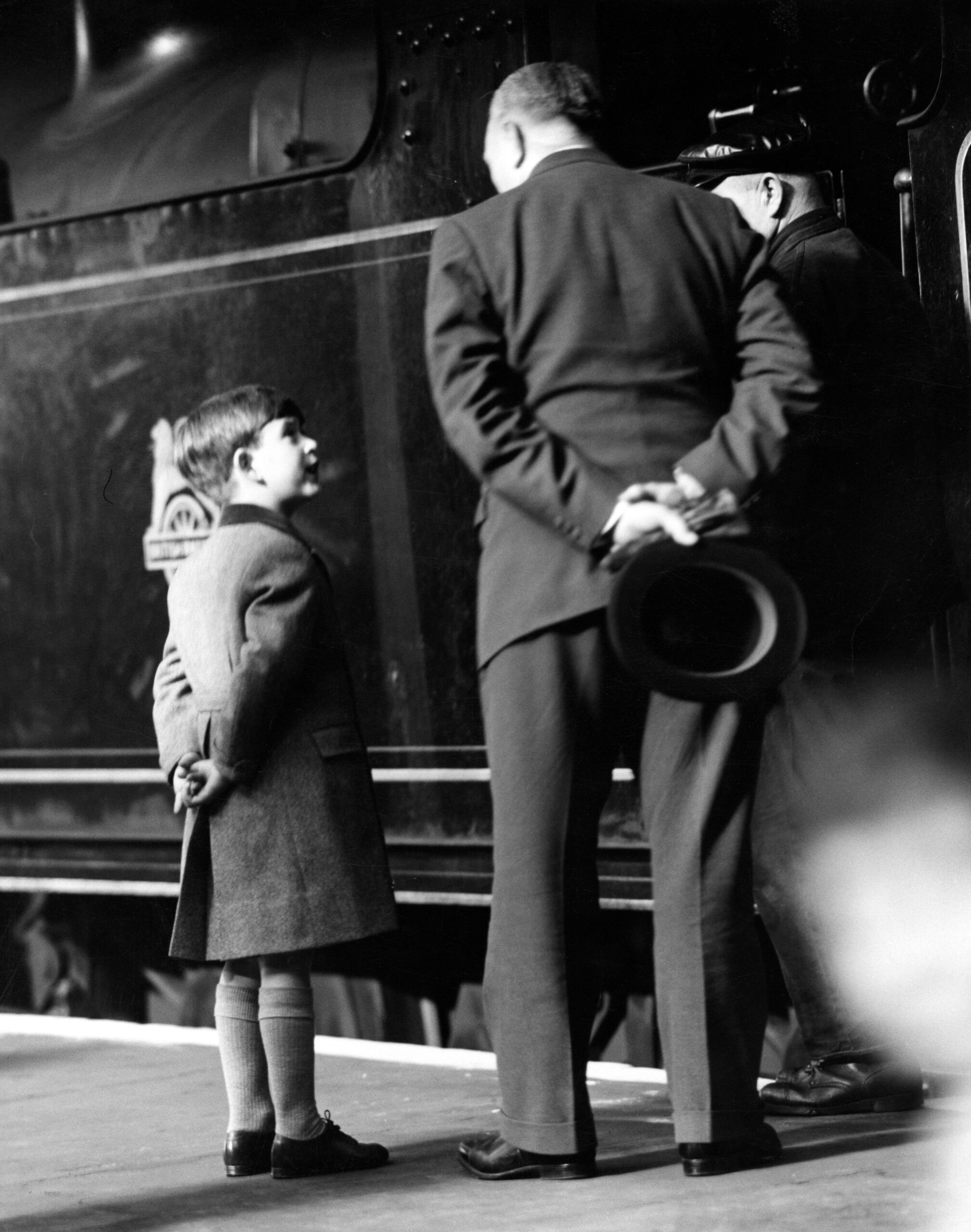
A young King Charles III chatting to an engine driver on Platform 6 at St. Pancras before travelling on with his sister Princess Anne to Market Harborough on 23rd March 1956
© Smith Archive / Alamy Stock Photo
References:
Royal Train | Royal Palaces | An Encyclopedia of British Royal Palaces and Royal Builders
History - ROYAL TRAIN
Royals on Rails at the National Railway Museum to mark the Platinum Jubilee | National Railway Museum