TRAIN TIMES
Travelling from St. Pancras International? Check your train times and let your journey begin!
Travelling from St. Pancras International? Check your train times and let your journey begin!
St. Pancras International has always been more than just a travel hub; it’s a place where people come together, share experiences, and create memories. The addition of our public pianos enhances this sense of community, providing a space for music lovers to express themselves and connect with others.
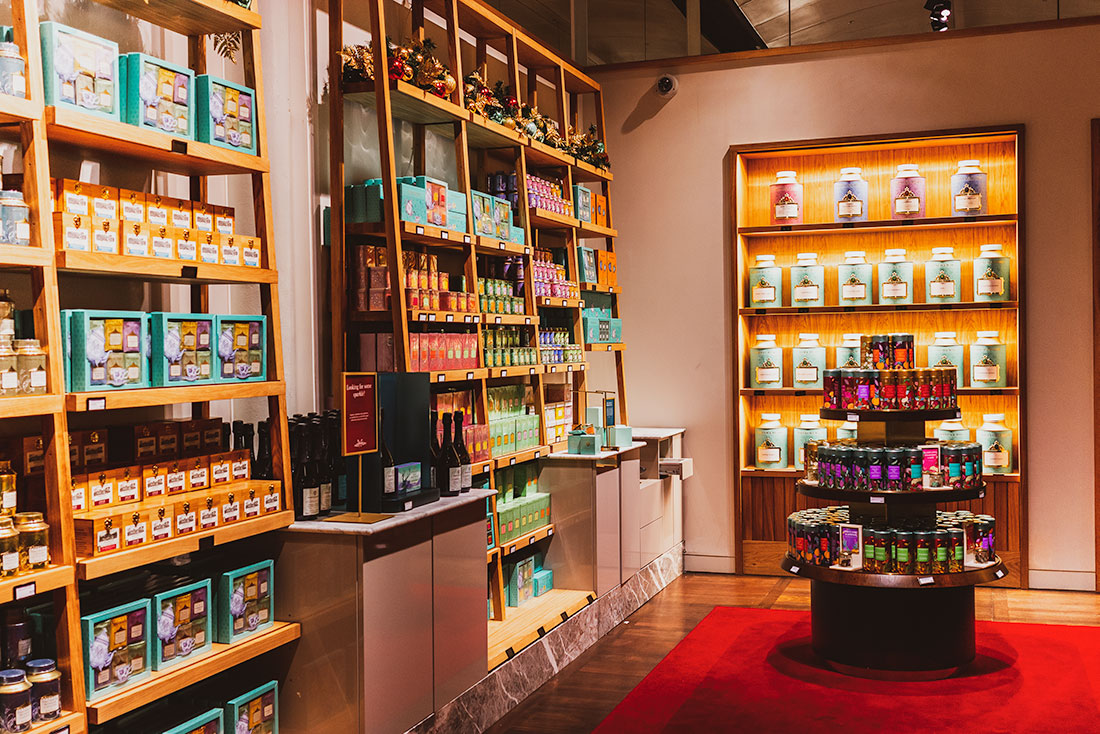
Explore St. Pancras with our interactive map. From bars and restaurants, to train platforms and shops, you can find and navigate places to eat, drink and shop on both levels of the station.
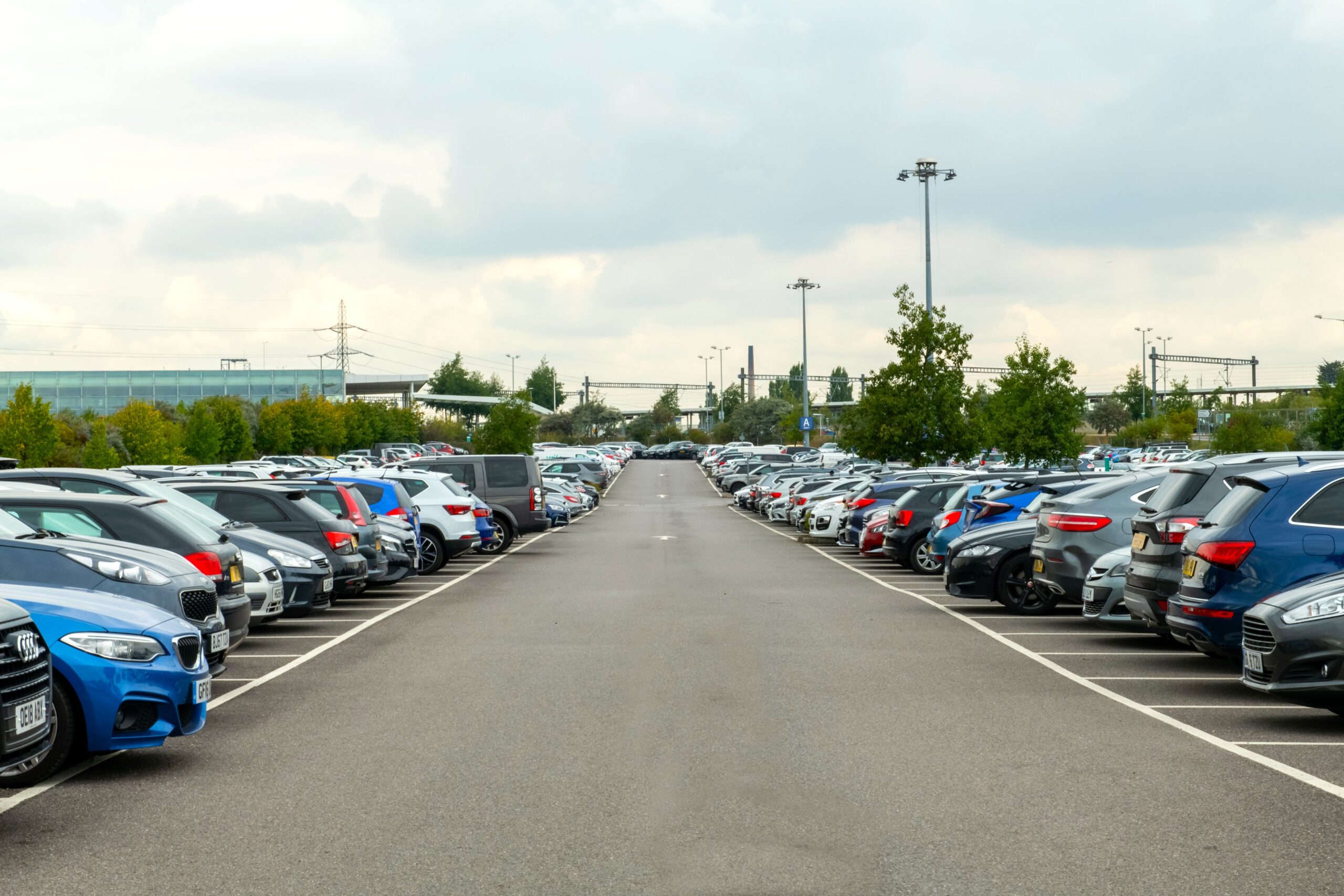
Enjoy convenient and secure car parking at St. Pancras International, Ebbsfleet International, Stratford International, and Ashford International.
We are committed to identifying and cutting down any negative impacts our activities might have on the natural world. We are focusing on two fundamental areas: using resources wisely and boosting biodiversity. By collaborating closely with our partners and suppliers, we’re aiming to use fewer resources, recycle more, and make our spaces greener and more wildlife friendly.
| Resources and Waste Impacts | Biodiversity |
|---|---|
| 2022/23: Zero non-hazardous waste (direct) to landfill from regular operations & projects by end of 2022-23. | 2030/31: 20% Biodiversity Net Gain compared with the revised 2024-25 baseline. |
| 2023/24: 90% recycling of operations and project wastes by end of 2023-24. | |
| 2024/25: Develop a circularity and minimisation plan for stations and depot and implement the plan. | |
| 2024/25: Understand hazardous waste and waste indirect to landfill – include in waste minimisation. |
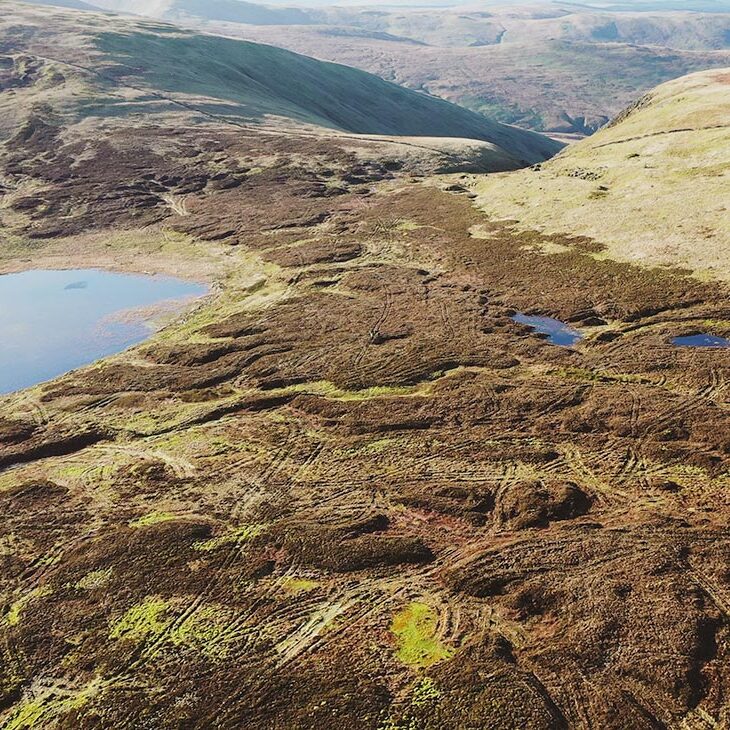
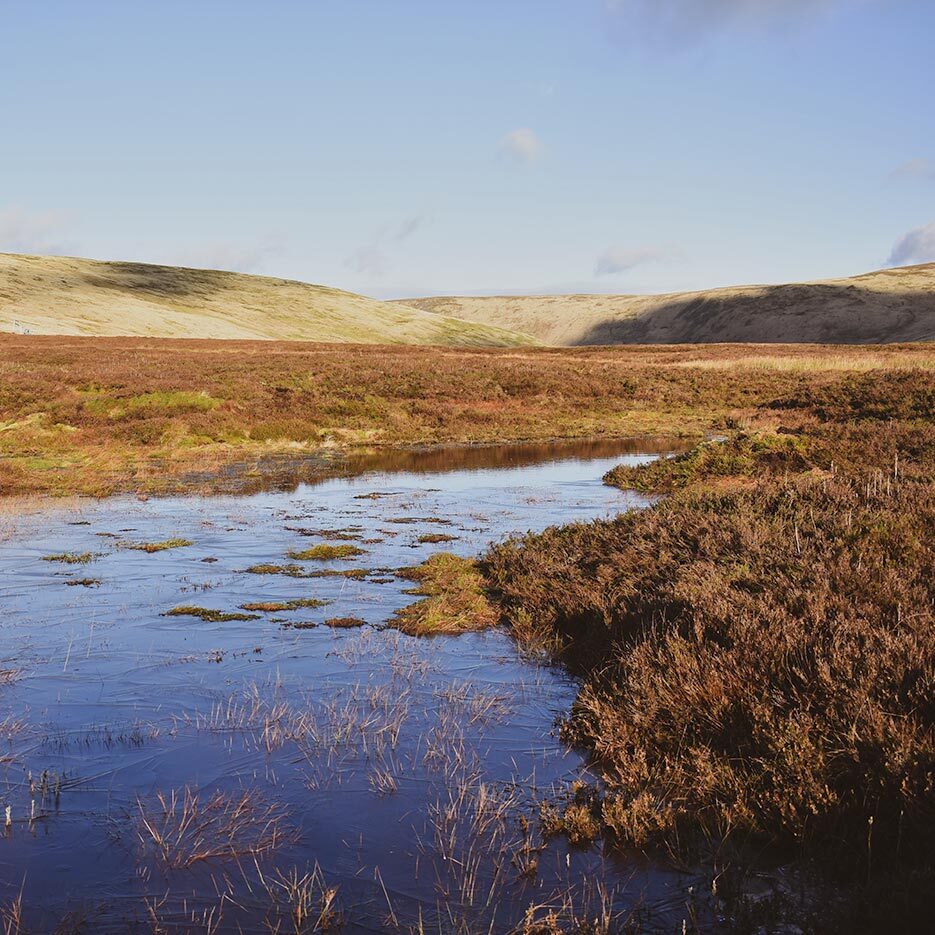
In 2021, St. Pancras International announced the launch of a retail sustainability initiative, Project Peatlands, to support essential peatland restoration in Scotland, in partnership with Forest Carbon, a business that develops nature-based climate projects in the UK.
As part of London St. Pancras Highspeed’s commitment to create a more sustainable and environmentally friendly future, and to provide customers with opportunities to make better environmental choices in shopping and travel, we donated to the restoration of this vital ecosystem on every purchase made in our station.
Peatlands are an integral part of the British countryside, storing up to 30 times more carbon per hectare than a healthy tropical rainforest. In the UK alone, peatlands store around three times more carbon than UK forests do(1). These delicate ecosystems are also rich in biodiversity, and home to over 300 insect species, 800 flowering plants and hundreds of types of mosses.
Despite this, over 80 per cent of UK peatlands are currently damaged and emitting an estimated 23 million tonnes of CO2e each year (3). However, through restoration processes, it is possible to return a proportion of these degraded areas to peat-accumulating, carbon-storing habitats.
At Gameshope Loch, a combination of bare peat revegetation, hagg reprofiling and gully blocking will allow the water table to rise and peat-forming plant species to recolonise the area. These plants lock up carbon when they die and become stored, partially decomposed, as layers of peat below the growing layer of mosses. This Peatland Code verified project will not only reduce greenhouse gas emissions, but it will also allow the landscape to store more water and support a greater diversity of wildlife, including iconic species like black grouse and hen harriers.
(1) Certified emissions reduction figures can only be claimed once the restoration is complete and has been independently verified in line with the Peatland Code. St. Pancras International will provide updates on this restoration work as it progresses.
(2) Stafford, R., Chamberlain, B., Clavey, L., Gillingham, P.K., McKain, S., Morecroft, M.D., Morrison-Bell, C. and Watts, O. (Eds.) (2021). Nature-based Solutions for Climate Change in the UK: A Report by the British Ecological Society. London, UK. Available here
(3) [6] Smyth, Mary-Ann & Artz, Rebekka & Taylor, Emily & Evans, Chris & Moxley, Janet & Archer, Nicole & Burden, Annette & Williamson, Jennifer & Donnelly, David & Thomson, Amanda & Buys, Gwen & Malcolm, Heath & Wilson, David & Renou-Wilson, Florence. (2017). Implementation of an Emissions Inventory for UK Peatlands.